- Daily Purr
- Posts
- 🐈 Why the dust from clay litter can be harmful
🐈 Why the dust from clay litter can be harmful
Tuesday 12/16: Sponsored by Tailfeather - Icelandic cats, prebiotics, Scottish Straight

“A cat will do what it wants when it wants, and there’s not a thing you can do about it.”
Happy Tuesday:
🇮🇸 Cats are the centerpiece of Iceland’s capital
🐈 Why the dust from clay litter can be harmful
🦠 Are prebiotics necessary for cats?
True or False?
Cats can’t get cavities.
(scroll to the bottom to find the answer!)

Meet the Cats Who Rule Iceland’s Capital
In Reykjavik, cats don’t just live in homes. They live in the city. Strolling the quiet, colorful streets, you’ll see fluffy locals lounging in windows, slipping through alleyways, or settling into their favorite sun-warmed spots. These aren’t strays; they’re neighborhood cats with owners who let them roam, and they’re as much a part of the community as the people.
The culture around cats in Reykjavik is warm, welcoming, and deeply rooted. For much of the 20th century, dogs were banned within city limits, while cats were free to wander and hunt rodents. Today, they’re treated with affection and respect. Many residents even leave out water bowls and build little shelters for feline visitors.
Some cats are even minor celebrities. Ofelia, for instance, spends her days lounging on a blanket inside a souvenir shop downtown. She’s not for sale, but visitors often stop in just to see her. The shop keeps her favorite blanket out year-round, and Ofelia greets guests with all the confidence of a seasoned host.
For cat lovers, there’s even a Reykjavik Cat Walk tour. It takes guests through the city’s hidden feline hangouts, including murals, a cat-themed café, and plenty of chances to spot local cats doing what they do best:m making themselves at home wherever they please.

Image courtesy of Daily Purr writer, Lauren.
Why Clay Litter Dust Can Be Harmful
Clay cat litter is widely used in the U.S., but the dust it releases can carry health concerns for both people and pets. Traditional clay litter is made from bentonite clay, which can contain crystalline silica, a substance the CDC and OSHA classify as a known human carcinogen when inhaled in significant or repeated amounts. Pouring or scooping can release fine silica dust, and in small or poorly ventilated areas, that dust can linger in the air.
Cats are also exposed each time they dig in the litter box, placing them even closer to airborne particles. Repeated inhalation may irritate their respiratory system, especially in older cats or those with asthma. Because of this, many veterinarians recommend plant-based, silica-free litters, which produce far less dust and avoid the risks linked to silica exposure.


This Cat Litter Is Made From Plants
Most traditional cat litters are made from strip-mined clay or silica. Both end up in landfills when thrown away and are not biodegradable.
A new natural cat litter called Tailfeather is changing this with their eco-friendly, plant-based, clumping cat litter made from coconut and cassava.
Why coconut? The husk of the coconut absorbs liquid up to 9 times its weight! This makes for a soft, luxurious litter that cats love and is 70% lighter than traditional litter, but also doesn't track and bounce out of the box.
It's fully biodegradable and 100% plastic-free, including the packaging. Tailfeather is delivered conveniently to your door, and each package lasts for 8 weeks, double the amount of other litters.
For the next 24 hours, Daily Purr readers get a $15 credit on your first order with code Purr15.
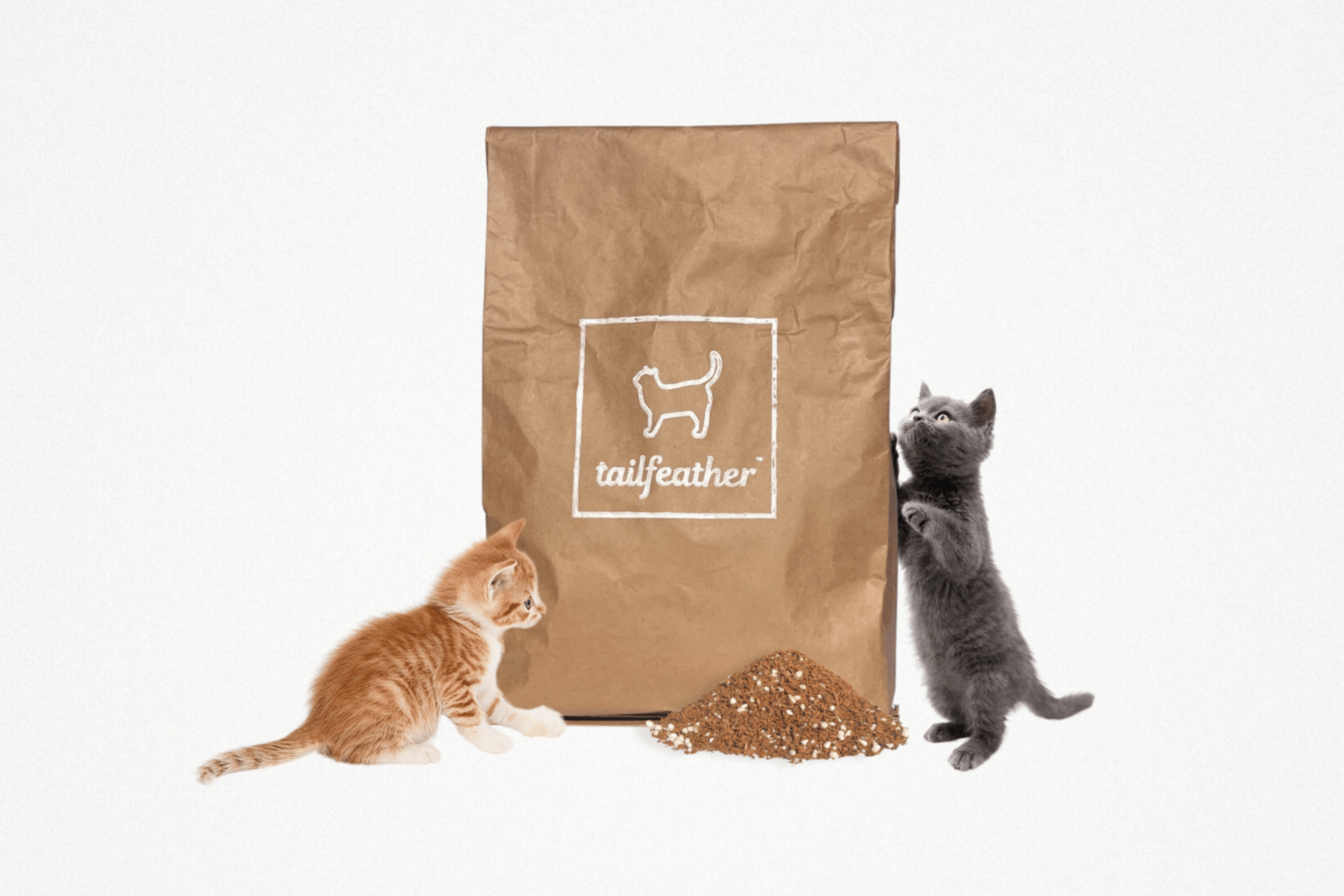
Thank you to Tailfeather for sponsoring Daily Purr.
Why Prebiotics Might Help Your Cat’s Tummy
Your cat’s gut is home to millions of bacteria, many of which are key to their health. When things get out of balance, bad bacteria can take over. That’s where prebiotics come in.
Prebiotics are special plant fibers (like pumpkin or chicory root) that feed the good bacteria in your cat’s digestive system. These fibers not only help healthy microbes grow, but they also improve nutrient absorption and support the immune system. One study even found that psyllium husk, a common prebiotic, helped constipated cats poop more regularly.
They may also help with weight management and inflammation, though research in cats is still catching up to what we’ve learned from humans. Still, many high-quality cat foods and supplements now include prebiotics.
If your cat’s had stomach issues or antibiotics recently, adding a prebiotic (or a combo prebiotic-probiotic) may be worth exploring. Talk to your vet before making changes, and always introduce new supplements slowly.


Cat’s Corner
From dramatic rescues to missing rug meltdowns, here’s what’s trending:

🐱 Bite-Sized Treats
🧐 Did You Know: True! Unlike humans, cats rarely develop cavities, but they are prone to other issues like resorptive lesions and gum disease.
😸 COTD: Give your kitty the spotlight by submitting them for Cat of the Day. Reply to this email with your best photos of your cat, their name, and a short description for the chance to be featured in an upcoming newsletter!
💌 Reply for a surprise: If you are reading this reply with your cat’s favorite winter activity for a surprise in your inbox!