- Daily Purr
- Posts
- 🐈 The world through cats' eyes
🐈 The world through cats' eyes
Wednesday 2/11: Sponsored by Tailfeather, cat gets loose on a plane, and is clay litter harmful

"The way to a cat’s heart is through patience—and maybe a little tuna."
Happy Wednesday:
✈️ Cat gets loose on a plane
😸 Is clay cat litter harmful?
👀The world through a cat’s eyes
True or False?
A cat’s fur can change color with the seasons.
(scroll to the bottom to find the answer!)

The Mystery Cat That Roamed A Plane
Traveling with cats usually means carriers, paperwork, and a lot of planning. On one recent flight from New York, all of that went sideways when a calm, curious cat began strolling the aisles with no clear owner in sight.
Flight attendants were filmed gently holding the cat and asking passengers if anyone recognized him. Announcements went out over the intercom, phones came up to record, and the mystery stretched on for hours as no one claimed the feline.
The cat stayed relaxed the entire time, happily being passed between crew members and watched over by nearby passengers. It quickly became one of those rare in-flight moments that pulls everyone out of autopilot and into collective amusement.
Eventually, the mystery was solved. The cat’s owner had been asleep and missed every announcement, unaware her pet had slipped out after she partially unzipped the carrier. The reunion was smooth, and the cat’s brief fame served as a gentle reminder that cats are expert escape artists, even at 30,000 feet.
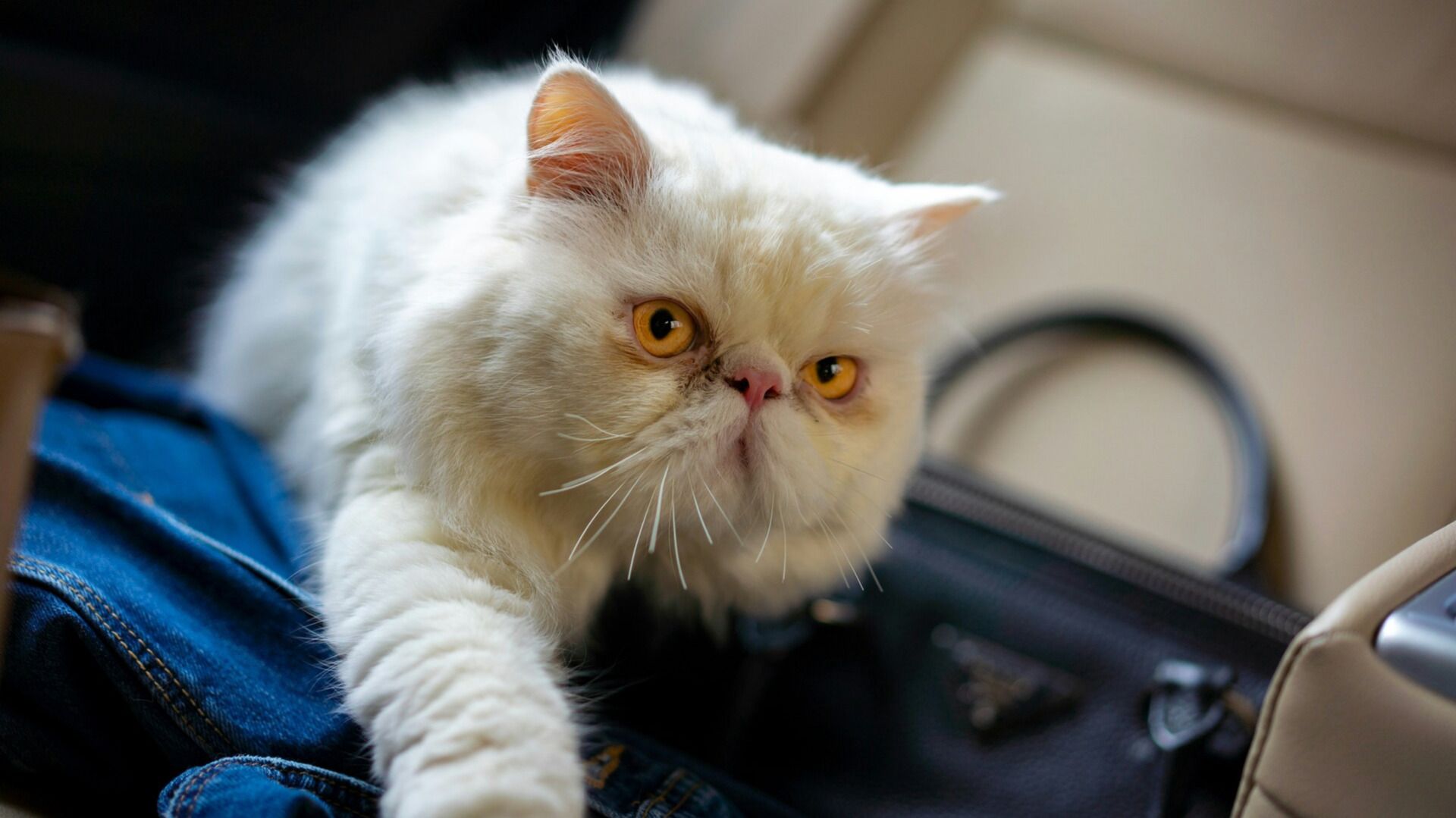
Why Clay Litter Dust Can Be Harmful
Clay cat litter is widely used in the U.S., but the dust it releases can carry health concerns for both people and pets. Traditional clay litter is made from bentonite clay, which can contain crystalline silica, a substance the CDC and OSHA classify as a known human carcinogen when inhaled in significant or repeated amounts. Pouring or scooping can release fine silica dust, and in small or poorly ventilated areas, that dust can linger in the air.
Cats are also exposed each time they dig in the litter box, placing them even closer to airborne particles. Repeated inhalation may irritate their respiratory system, especially in older cats or those with asthma. Because of this, many veterinarians recommend plant-based, silica-free litters, which produce far less dust and avoid the risks linked to silica exposure.


This Cat Litter Is Made From Plants
Most traditional cat litters are made from strip-mined clay or silica. Both end up in landfills when thrown away and are not biodegradable.
A new natural cat litter called Tailfeather is changing this with their eco-friendly, plant-based, clumping cat litter made from coconut and cassava.
Why coconut? The husk of the coconut absorbs liquid up to 9 times its weight! This makes for a soft, luxurious litter that cats love and is 70% lighter than traditional litter, but also doesn't track and bounce out of the box.
It's fully biodegradable and 100% plastic-free, including the packaging. Tailfeather is delivered conveniently to your door, and each package lasts for 8 weeks, double the amount of other litters.
For the next 24 hours, Daily Purr readers get a $15 credit on your first order with code Purr15.
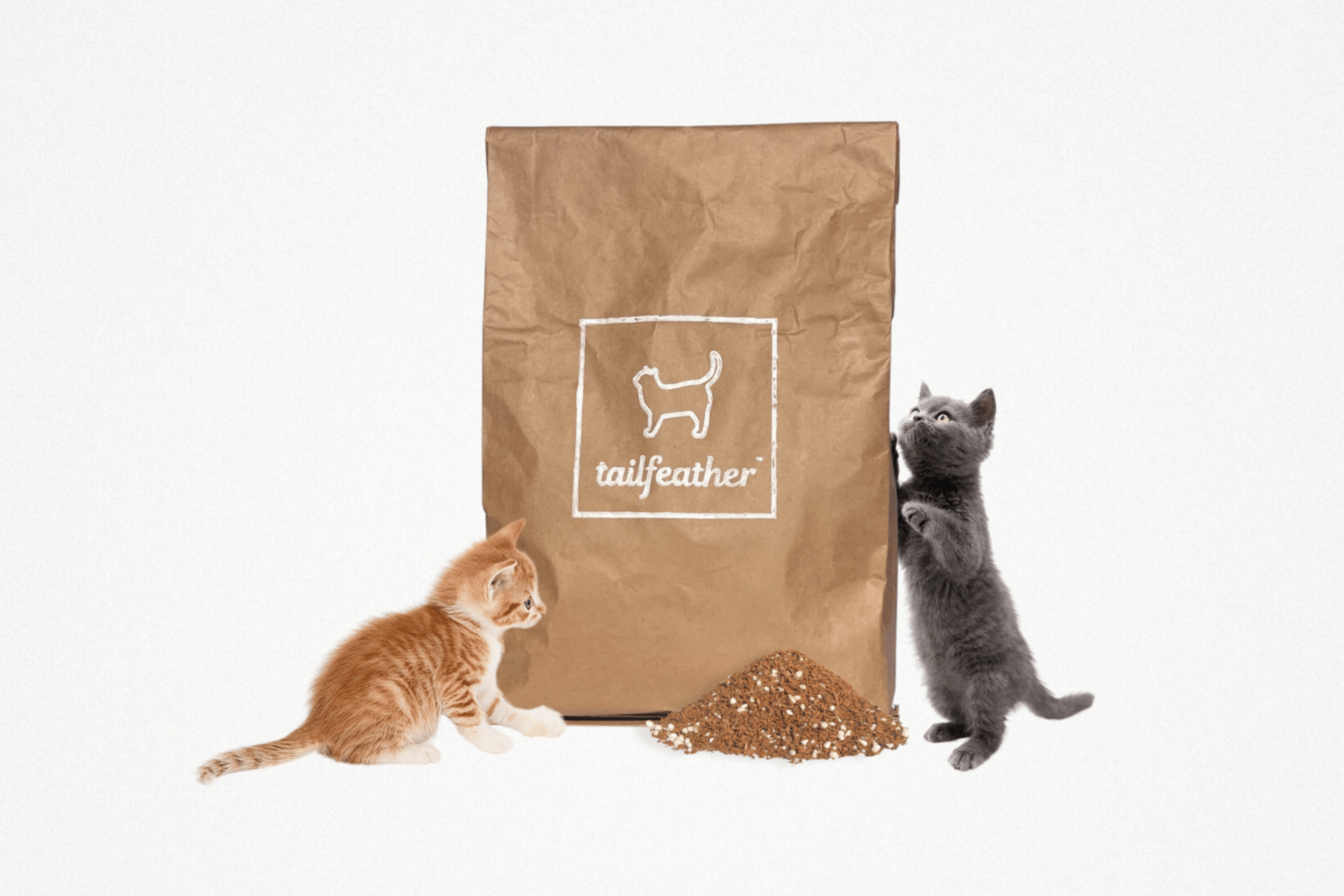
Thank you to Tailfeather for sponsoring Daily Purr.
How Cats Really See The World
Cats move through the world with a very different sensory toolkit than humans. Some senses are far more powerful, while others trade clarity for efficiency and survival.
Hearing is one of a cat’s strongest abilities. Their ears rotate up to 180 degrees and can pinpoint sounds in a fraction of a second, even at high frequencies humans and dogs can’t hear. This ultrasonic hearing helps cats track tiny movements, especially prey.
Smell also plays a major role. Cats have roughly 200 million scent-detecting cells and are born with a fully developed sense of smell. They even use a special organ on the roof of their mouth to “taste-smell” the air, often seen as a funny grimace when analyzing scents.
Vision is where cats differ most from people. They see fewer colors, mostly blues and yellows, and their eyesight is blurrier at a distance. But in low light, cats excel—their pupils expand dramatically, making nighttime navigation effortless.
Together, these senses explain why cats notice things humans miss—and why they sometimes stare at nothing at all.


Cat’s Corner
From double-take kittens to sibling lessons and fun facts, here’s what’s trending this week:
Meet The Team

Daily Purr is brought to you with love from our cats. We hope they can brighten your day, just like they do ours. ❤️
Love,
Olive, Milo, and Yasmine.

🐱 Bite-Sized Treats
🧐 True or False: True! Some cats, like Siamese and Himalayan breeds, have fur that darkens in cooler temperatures.
😸 COTD: Give your kitty the spotlight by submitting them for Cat of the Day. Reply to this email with your best photos of your cat, their name, and a short description for the chance to be featured in an upcoming newsletter!
💌 Reply for a surprise: If you are reading this reply with “meow” for a surprise in your inbox!